India’s digital lending landscape has grown at a remarkable pace over the last few years. With smartphones in nearly every pocket and credit need that don’t wait for business hours, instant loan apps have become a go-to solution for millions of borrowers. But this convenience has also opened the door to a dangerous parallel ecosystem, one populated by fake loan apps that exploit financial desperation and leave borrowers worse off than before.
The question is no longer just “can I get a loan quickly?” It is now equally important to ask: “Am I borrowing from a platform I can trust?”
The rise of predatory lending apps
Fake loan apps typically disguise themselves as legitimate financial service providers. They promise instant disbursals, require no documentation, and often target individuals with low credit scores or urgent cash needs. Once a borrower installs the app and shares personal data, the trap is set. Interest rates are obscured in fine print, recovery agents resort to harassment, and in the most alarming cases, access to a borrower’s phone contacts and gallery is misused as a coercion tool.
The Reserve Bank of India has repeatedly flagged such entities and has taken steps to tighten oversight of digital lenders. Yet new fraudulent apps continue to surface, making borrower awareness the most effective line of defense.
How to identify a genuine, RBI-compliant lending platform
There are a few clear markers that separate a regulated lender from a predatory one.
RBI Registration and NBFC Status: Any legitimate digital lender in India must either be a bank, a non-banking financial company (NBFC) registered with the RBI, or a lending service provider operating in partnership with one. Borrowers should always verify this before applying. The RBI maintains a public list of registered NBFCs on its official website. If the app or platform isn’t on it, walk away.
Transparent Terms and Conditions: A compliant lender will always provide a clear loan agreement outlining the interest rate, processing fee, repayment schedule, and penalty clauses before disbursement. If a platform glosses over these details or makes it difficult to access the loan document, that is a red flag.
No Upfront Fee Demands: Legitimate platforms do not ask borrowers to pay a fee before receiving the loan. Any app demanding an “advance processing charge” or “security deposit” before transferring funds is almost certainly fraudulent.
Data Privacy and App Permissions: RBI guidelines explicitly prohibit digital lenders from accessing a borrower’s contact list, photos, or other unrelated phone data. A trustworthy app will only seek permissions that are necessary for KYC or loan processing purposes.
Grievance Redressal Mechanism: Regulated lenders are required to have a functioning customer grievance process, including a nodal officer and escalation to the RBI Ombudsman if needed. If there is no visible support channel or complaint mechanism, it is a serious concern.
Borrowing smart in the digital age
The convenience of digital credit should never come at the cost of financial safety. Before downloading any loan app, borrowers should research the company, read user reviews critically, and cross-check regulatory status. Platforms that operate with full transparency, clear terms, proper licensing, and respectful recovery practices are the ones worth trusting.
At EmergencyPaisa, as an RBI-registered NBFC, we believe that responsible lending is not just a regulatory obligation but a commitment to the borrower’s dignity and financial well-being. The goal was never just to disburse loans fast it was to do so in a way that genuinely helps people, not traps them.
When in doubt, borrow only from platforms that have nothing to hide.
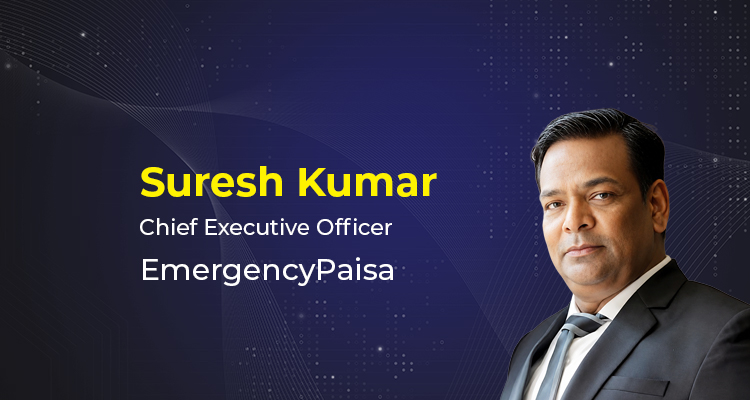
“Digital lending has made it easier for millions of Indians to access credit. But it has also given rise to fake apps that take advantage of people in financial need. At EmergencyPaisa, we believe that trust comes from being honest and clear with our borrowers about our fees, our terms, and our process. Being RBI-registered is not just a compliance requirement for us. It means we are accountable to our borrowers and committed to treating them with respect.”
Share your exclusive thoughts to:
editor@thefoundermedia.com