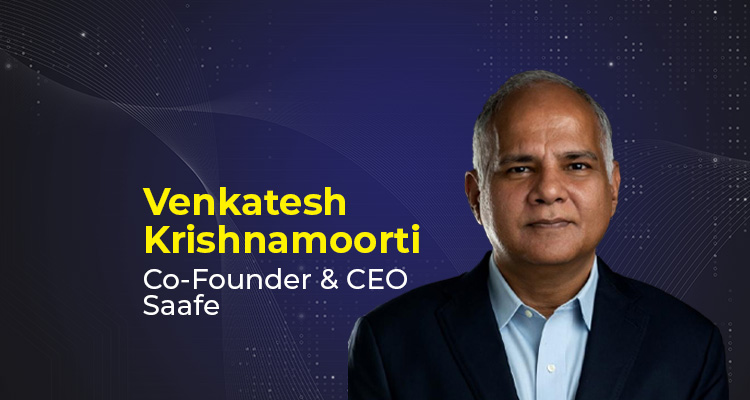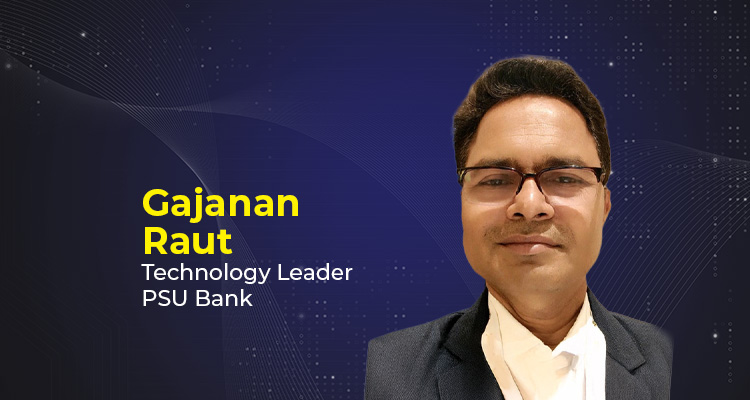

What makes Lark Finserv’s LAS model different from banks or NBFCs?
Lark Finserv fundamentally reimagines the loan-against-mutual-fund (LAMF) model by operating as an embedded SaaS credit infrastructure provider, not a direct lender. This means Lark’s platform integrates directly into wealth platforms, FinTechs, and distribution partners via easy-to-use APIs and SDKs, offering near-instant digital credit without the legacy paperwork, manual valuation, or physical asset pledging seen in traditional NBFC/bank models. Our architecture delivers frictionless credit enablement, granular process controls, and scalable onboarding, shifting LAS from a niche, siloed product to a liquidity feature in mainstream investment workflows.
How do you estimate TAM for LAS in India, and what are your model assumptions?
The TAM for LAS in India is estimated by combining several key drivers: total retail mutual fund AUM (crossing Rs 25 trillion as per recent AMFI data), the proportion held by individuals, current penetration of LAS (<1 per cent of market), and projected FinTech adoption rates. Our model assumes regulatory support for secured lending, increasing mutual fund adoption, and rapid embedded finance integration. We also factor in the rising needs for short-term liquidity among retail and HNI investors and estimate that LAS could eventually serve 5-8 per cent of the market’s eligible AUM under conservative, realistic scenarios.
How does Lark ensure reliability and high performance when embedded with partners?
Reliability, low latency, and high uptime are pursued through a multi-layered approach: Lark’s cloud-native infrastructure leverages redundant multi-zone deployments, automated failover, and real-time monitoring via our OS and Grid modules. All API endpoints are designed for sub-second response times and can elastically scale to partner transaction volumes. We maintain strict SLAs with extensive automated testing across integration layers, ensuring consistent performance and seamless credit enablement for partners, backed by dedicated support.
How did you decide on Lark modular product tiers, and which are most popular?
Our modular design Lark Edge, Vault, Grid, OS reflects feedback from wealth managers, lenders, and digital platforms seeking both flexibility and vertical depth. Edge focuses on embedded, low code, no code credit journeys, Grid powers automated loan origination, Vault secures asset data, and OS runs orchestration and compliance. The Vault and Grid modules are seeing the strongest traction, driven by wealthtechs integrating instant credit features and lenders digitising their loan workflows. Quarterly usage data shows Edge-powered journeys account for over 60 per cent of onboarding, highlighting rapid embedded credit adoption.
How does Lark ensure data confidentiality and regulatory compliance?
Lark Finserv’s infrastructure is engineered to be privacy-first, using field-level encryption, tokenised asset access, and strict consent architecture per India’s Personal Data Protection Bill and RBI digital lending standards. Our modular compliance layer offers automated audit trails, role-based access controls, and regular vulnerability assessments. Data never leaves partner or investor control without explicit consent, and Lark consistently updates its stack to stay ahead of evolving regulations and security standards.
What customisation flexibility do partners have on Lark APIs, especially for UI and loan journeys?
Partners leveraging Lark’s APIs and SDKs can fully tailor their frontend experiences, workflows, and loan journeys to match brand aesthetics and customer personas. The system offers pre-built UI modules for rapid deployment but allows custom logic, screen layouts, eligibility conditions, and messaging at every step. Lark’s plug-and-play SDKs, including for Flutter and web enable seamless embedding with hooks for KYC, consent, valuations, and notifications, so partners can create distinctive, user-friendly instant liquidity journeys while maintaining compliance and deep backend orchestration.
Enjoyed this interview? Now imagine yours. Write to:
editor@thefoundermedia.com