Buy Now, Pay Later (BNPL) has captured the attention of the global as well as the Indian payments industry, positioning it as one of the most noteworthy innovations in short-term credit of the last decade. Heaps of convenience and zero or sometimes very low interest fees are among the main perks of BNPL, which is the reason why it became synonymous with the e-commerce, retail and even daily services within a short span of time.
The Rise of BNPL
According to a recent report, the gross merchandise volume (GMV) of the global BNPL market is likely to hit $560.1 billion by 2025, which means an estimated increase of more than 13 per cent every year and nearly 900 million users by 2027 due to fast adoption.
India has also been one of the countries where BNPL has experienced a giant-like growth curve in a similar manner. Domestic BNPL market research reveals that the Indian market would be worth around USD 30.88 billion in 2025 and more than double the figure to USD 78.5 billion by 2030 with a CAGR of 20.5 per cent.
This rise is most evident among the younger population: Gen Z accounted for roughly 39.7 per cent of India’s BNPL market share in 2024 and thus, is expected to further increase its usage through 2030. The online channel was the most significant contributor to BNPL revenue in 2024, with approximately 83 per cent share, while POS BNPL is also gaining popularity rapidly.
The Appeal: Convenience and Inclusion
It is not hard to grasp why BNPL is so popular. Credit cards, if any, to get through have a long process. So would-be BNPL users just have to submit a few documents sometimes, or even not at all. They can easily divide their payments into small instalments with no interest in case of on-time payments, which is less daunting than the traditional loan process. Merchants also reap advantages: average order values go up and boost conversion rates.
The way credit-underserved groups with no credit scores or low ones are treated is a thing of the past, thanks to the Buy Now Pay Later scheme, which introduces them to short-term credits and digital payments. The future penetration of smartphones, which is coming close to 900 million users by 2025, FinTech, and BNPL providers are gradually integrating the flexible payment option in the everyday user’s applications and platforms, thus bringing down the digital finance barriers that consumer facing.
The Compliance that Comes with Convenience: Rising Risks
At the same time, the very thing that is making BNPL so attractive to consumers is actually posing a lot of risks, and this is more so when the consumer education plus safeguards lag behind adoption.
In different countries, surveys reveal that a huge 34 – 41 per cent of users who availed of BNPL services admitted to making late payments during the previous year, thus raising alarm regarding consumers unwittingly accumulating debts.
In India, both anecdotal and expert statements point to the fact that there is one major problem created by trying to finance one’s purchases through several BNPL apps, which is “invisible debt”. Users are not able to detect the total financial load until it has grown into more than they can bear. They are gradually getting addicted to BNPL, especially if they have three or more open plans at the same time, because there are no affordability tests anyway.
Debt Trap Dynamics
It can be said that the so-called debt trap is created when BNPL gets the customers to spend beyond their capabilities. The “small instalments” point of view makes it psychologically less costly to the extent that the customer goes out and buys more than he can actually afford.
Thus, the patient has to pay more in the long run through frequent small payments, which is why it is called a debt trap, and it ensnares the consumer.
Business and Regulatory Implications
The prospect of BNPL for financial institutions is a dual-edged sword. Customer engagement deepening, transaction volume increase, and underserved segments getting credit products are the positive sides. On the negative side, if the BNPL approval process growth remains unchecked, it will result in credit quality loss and underwriting models pushing to their limits.
In India, the Reserve Bank of India (RBI) and the financial ministries are keeping a close watch on the digital lending frameworks and the practices therein, with an emphasis on proper disclosures, pricing that is made known to the consumers, and establishing affordability limits that are stricter than currently in use, so that there will be no risk of credit proliferation.
Balancing Utility with Responsibility
BNPL as a payment method should not be completely branded as bad since it definitely brings convenience as a genuine reason, the short-term credit access is less costly, and digital commerce is increasing as it has been supported by this method. The future of BNPL hinges on the responsible use of credit, strong risk management, and consumer financial literacy.
Regulators should be on their toes, making sure that consumer rights are always enhanced to meet with technological advances. Ultimately, whether BNPL becomes a smart credit option or a debt trap depends not just on technology, but on the policies, practices, and behaviours of the entire ecosystem.
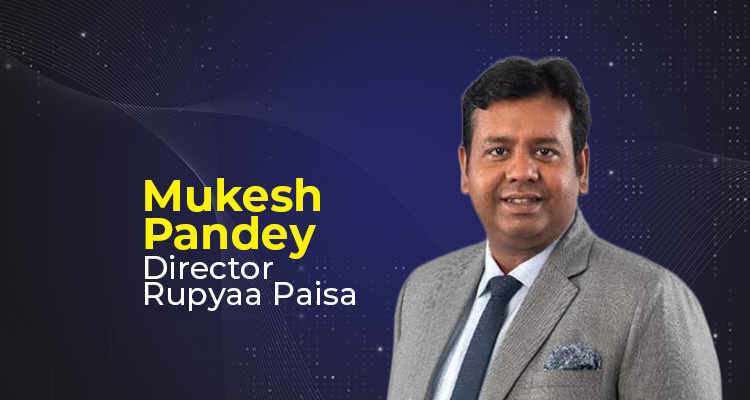
– author is Mukesh Pandey, Director, Rupyaa Paisa